


Electrical Tests
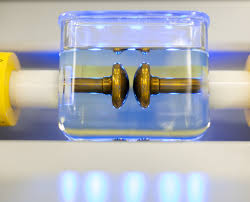
1.BDV (Breakdown Voltage Test) – IS 6792
Determines dielectric strength.
Minimum acceptable value: > 60 kV (for new oil).
2.Resistivity (at 27°C & 90°C) – IS 6103
Higher values indicate good insulation.
3.Dielectric Dissipation Factor (tan δ) – IS 6262
Measures dielectric losses.
Physical Tests
1. Appearance & Colour – IS 335
Should be clear, free from suspended matter.
2.Moisture Content (ppm) – Karl Fischer Method (IS 13567)
High moisture reduces BDV.
3.Density – IS 1448 (P:16)
Required for calculation of other properties.
4.Viscosity (40°C & 100°C) – IS 1448 (P:25)
Affects cooling efficiency.
5.Interfacial Tension (IFT) – IS 6104
Low IFT indicates oxidation products and sludge.
Chemical Tests
1. Acidity (Neutralization value) – IS 1448 (P:2)
High acidity indicates oxidation and sludge formation.
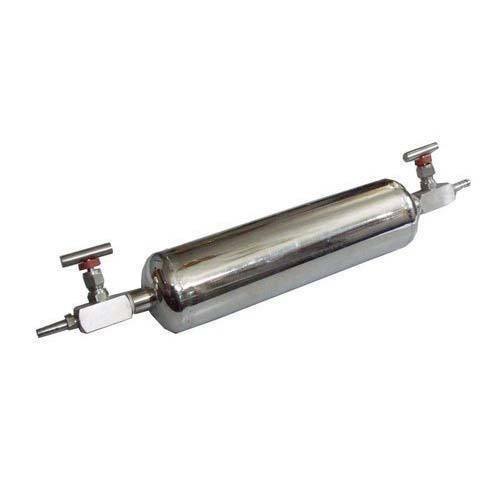
2. Dissolved Gas Analysis (DGA) – IS 9434 / ASTM D3612
Detects gases like H₂, CH₄, C₂H₂, C₂H₄, CO, CO₂.
Used for fault diagnosis (arcing, overheating, partial discharge).
3. Furan Analysis (Paper Insulation Health) - IEC- 61198
2-Furfural content in oil indicates paper insulation degradation.
About us
Strong Values That Bring Great People Together.
B.R. Industrial Services LLP has been a leader in providing top-tier industrial maintenance, repair, and optimization services for over 30 years. Our unwavering commitment to excellence and customer satisfaction has made us a trusted partner for businesses seeking reliable and efficient industrial solutions.
We are rendering our service of Transformer oil testing to MSETCL, MAHAGENCO, MSEDCL and more than 400 H. T. consumers, to name a few Siemens, Enercon, L & T, Reliance, GAIL, RCF. Our evaluation of the transformer oil is based on more than twenty years of the expertise in the transformer oil testing and is highly regarded in the industry as well as in MSETCL. Our team of experienced professionals is dedicated to delivering tailored solutions that meet the unique needs of each client. We pride ourselves on our commitment to excellence, safety, and customer satisfaction.
Flexible Transformer Oil Testing Solutions: Permanent & Mobile Labs
We operate both a permanent laboratory and a mobile lab to provide reliable transformer oil testing services, ensuring comprehensive analysis and diagnostic support wherever you need it. Our dual-lab setup allows us to deliver timely, high-quality testing—either onsite or in dedicated lab facilities—meeting the diverse needs of our customers.
Free Pick Up & Delivery
Protects your data with military-grade encryption.
24/7 Support Assistant
Protects your data with military-grade encryption.
Our Services
Comprehensive Solutions For Every Challenge.
Measuring the Acid Content in Transformer Oil to Detect Oxidation, Prevent Sludge Formation, and Ensure Insulation Health for Reliable Transformer Operation. The Neutralization (Total Acidity) test of transformer oil is performed to measure the level of acidic compounds formed due to oil oxidation. High acidity can lead to sludge formation, decreased oil resistivity, increased dielectric […]
Evaluating Transformer Oil’s Insulation Quality by Measuring Energy Loss and Detecting Contamination or Aging. The Dielectric Dissipation Factor test is performed on transformer oil to monitor its insulation quality by detecting the presence of contaminants, moisture, and aging by-products that can degrade performance and safety. This test helps identify early signs of insulation deterioration, ensures […]
Assessing Transformer Paper Insulation Health by Detecting Aging Markers in Oil. Furan Analysis of transformer oil is performed to assess the extent of degradation of the paper (cellulose) insulation within the transformer. As the paper ages or undergoes thermal and oxidative stress, it breaks down and releases furanic compounds into the oil. Measuring these compounds […]
Trusted Partner:
How It Work
Tests In The Lab Can Be Done In Four Simple Steps
1. Sample Collection Procedure
Proper sampling is critical, as contamination at this stage will affect results. Preparation Use clean, dry, airtight glass/HDPE bottles (usually 500 ml to 1 L). Rinse the bottle and cap 2–3 times with the oil to be sampled. Use clean tubing/sampling device (no moisture/contaminants).
Sampling Point Collect oil from the top/bottom valve of transformer or conservator tank. Flush at least 2–3 liters of oil before collecting the sample. Precautions Avoid air bubbles and exposure to atmosphere.
Seal the bottle tightly, label with transformer details, date, time, and collector’s name. Transport in closed box to prevent sunlight exposure.
2. Inward Sample Handling in Laboratory
When samples reach the lab, follow these steps: Sample Registration
Record sample details: equipment ID, location, voltage rating, oil type (mineral/ester), date of collection, and sender. Assign a unique lab inward number. Visual Inspection Check for leakage, broken seal, insufficient volume, or contamination. Note colour, turbidity, sediment, or free water. Sample Storage Store samples in cool, dust-free environment until testing. Avoid prolonged storage (prefer testing within 7 days of collection).
3. Final Testing at Laboratory
Transformer oil is tested for electrical, physical, and chemical properties. Testing is generally divided into routine, detailed, and special investigations.
A. Electrical Tests BDV (Breakdown Voltage Test) – IS 6792
Determines dielectric strength.
Minimum acceptable value: > 60 kV (for new oil).
Resistivity (at 27°C & 90°C) – IS 6103
Higher values indicate good insulation.
Dielectric Dissipation Factor (tan δ) – IS 6262
Measures dielectric losses.
B. Physical Tests
Appearance & Colour – IS 335
Should be clear, free from suspended matter.
Moisture Content (ppm) – Karl Fischer Method (IS 13567)
High moisture reduces BDV.
Density – IS 1448 (P:16)
Required for calculation of other properties.
Viscosity (40°C & 100°C) – IS 1448 (P:25)
Affects cooling efficiency.
Interfacial Tension (IFT) – IS 6104
Low IFT indicates oxidation products and sludge.
C. Chemical Tests
Acidity (Neutralization value) – IS 1448 (P:2)
High acidity indicates oxidation and sludge formation.
Oxidation Stability – IS 335
For new oil qualification.
Inhibitor Content (DBPC/TCP) – IS 13631
Check antioxidant additive.
D. Dissolved Gas Analysis (DGA) – IS 9434 / ASTM D3612
Detects gases like H₂, CH₄, C₂H₂, C₂H₄, CO, CO₂.
Used for fault diagnosis (arcing, overheating, partial discharge).
E. Furan Analysis (Paper Insulation Health)
2-Furfural content in oil indicates paper insulation degradation.
4. Reporting
Compile all results in a Test Certificate with acceptance limits as per IS/IEC standards.
Give interpretation & recommendations: e.g.
Oil fit for use.
Needs filtration & dehydration.
Oil replacement required.
Further investigation recommended.